
Zanzibar's north coast vs east coast: how to choose
The tide is the single most important fact about a Zanzibar beach, and nobody tells you before you book. Here is the honest comparison.
Almost every disappointed Zanzibar review comes down to one misunderstanding. On much of the island the tidal range is dramatic, and at low tide the ocean retreats several hundred metres, leaving a shallow lagoon and exposed seagrass where the brochure showed turquoise water.
This is not a flaw. The low tide flats are beautiful, full of life, and central to how island communities farm seaweed and fish. But if you have flown a long way expecting to swim from your sun lounger at any hour, you need to know which coast does that and which does not.
Here is how the two main coasts differ, and how we match guests to the right side after a safari.
- North coast, Nungwi and Kendwa: swimmable at all tides, lively, sunsets over the sea.
- East coast, Paje and Jambiani: huge tidal range, world-class kitesurfing, calmer and better value.
- South-east, Michamvi and Pingwe: quietest, most luxurious, best for honeymoons.
- Stone Town deserves at least one night, and it is not a beach base.
- Kizimkazi in the south is the base for dolphins and the Menai Bay conservation area.
The north: Nungwi and Kendwa
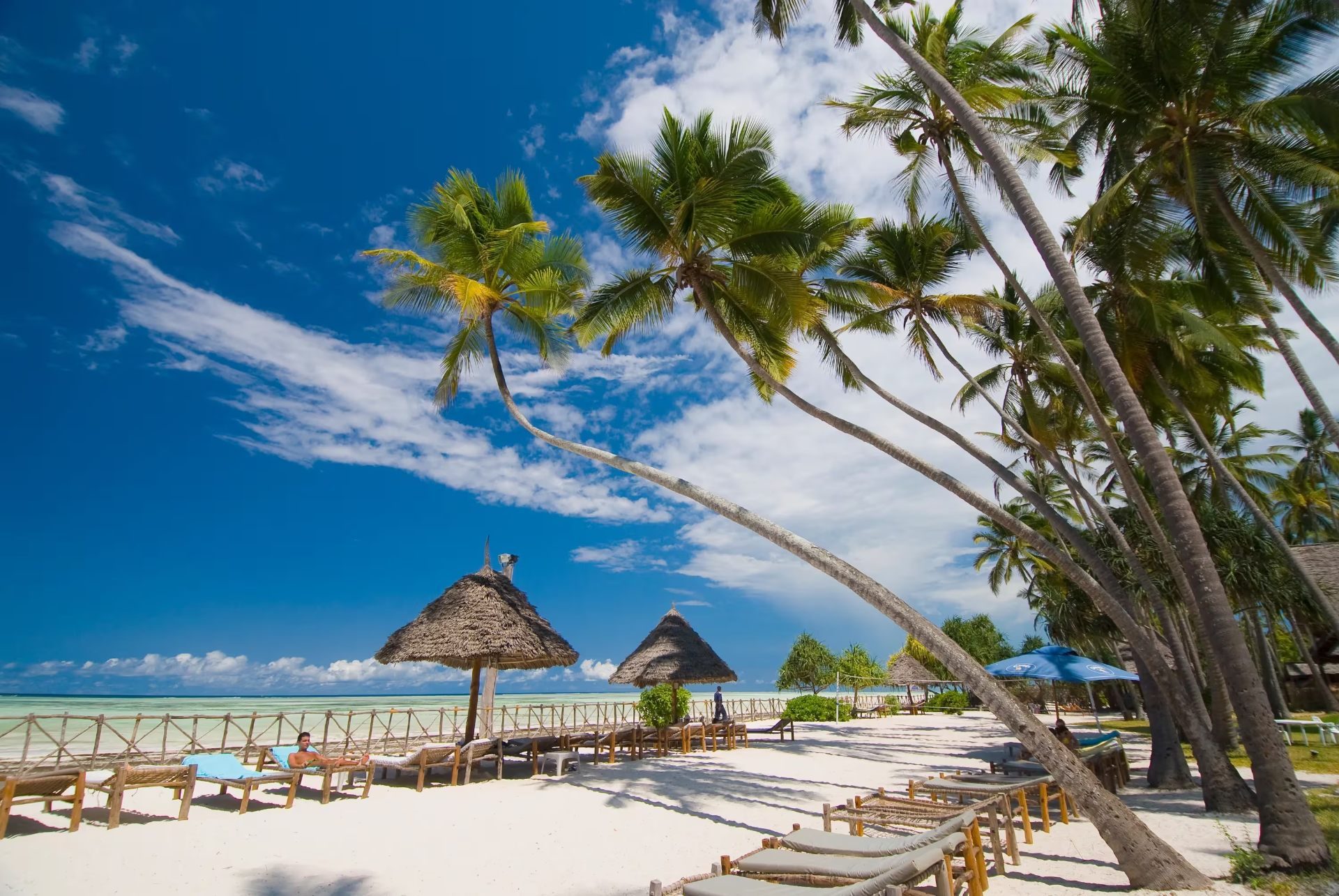
The north-western tip is the only stretch of Zanzibar where the tide barely interrupts swimming. Kendwa in particular holds deep water close to shore all day, which is why it is the default recommendation for families and for anyone whose non-negotiable is walking into the sea whenever they want.
Nungwi is a working fishing village that grew into a resort strip: dhow builders on the sand, dive centres, beach bars, sunset cruises and a genuine after-dark scene. Kendwa, twenty minutes south, is calmer, with wider sand and the island's best-known full moon parties for those who want them.
The trade-off is density. Hotels sit close together, beach vendors are persistent, and in July, August and the Christmas weeks it is busy. Sunsets, however, are over the water, which the east coast cannot offer.
The east: Paje, Jambiani and Bwejuu
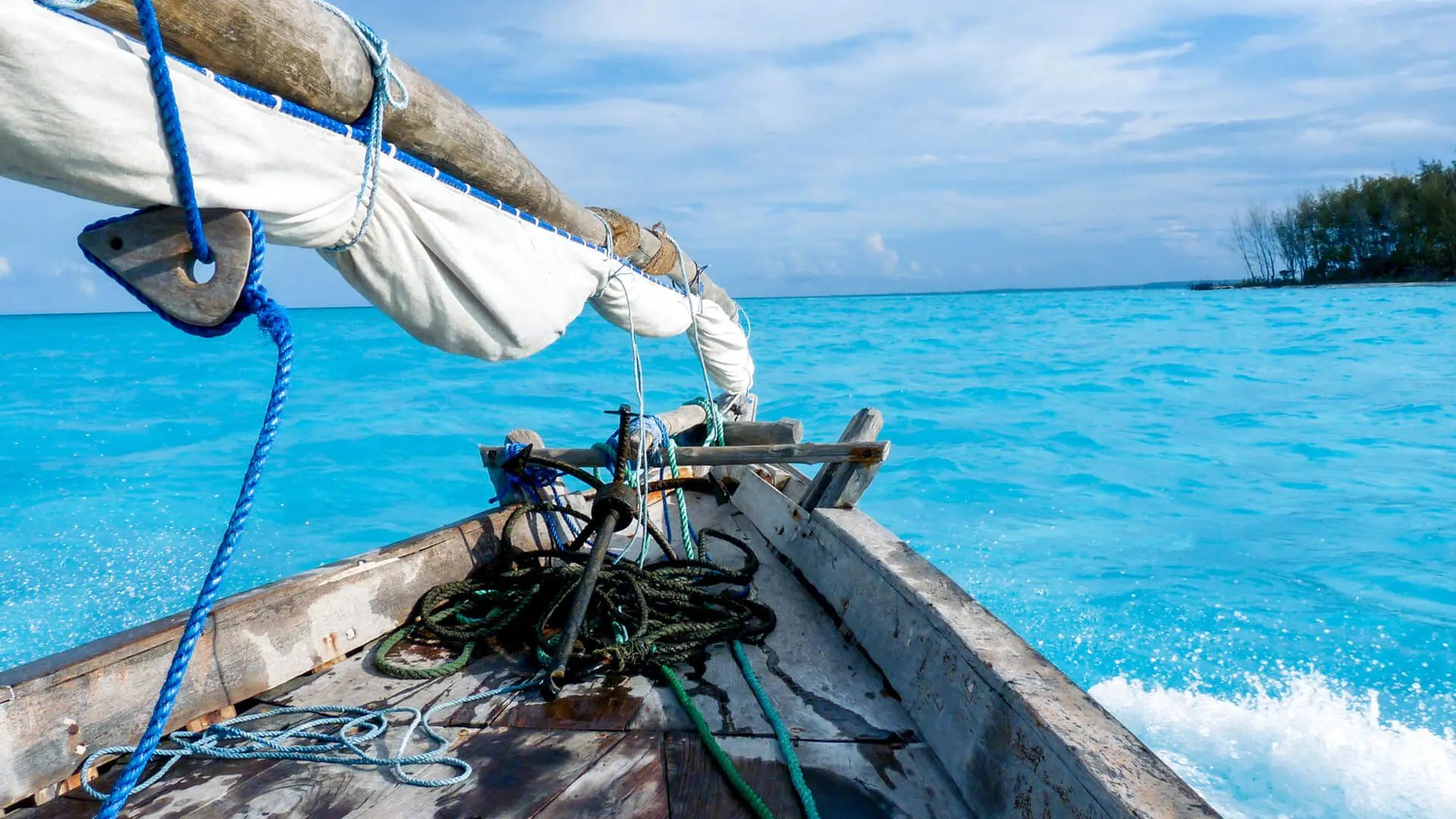
The east coast is where the classic Zanzibar photograph comes from: an immense pale beach, dhows resting on wet sand, seaweed farmers walking the flats at low water. It is quieter, cheaper, and it feels far more like the island's own life than a resort strip.
Paje is the kitesurfing capital of the Indian Ocean, and between June and September and again from December to February the lagoon is full of kites. Even if you do not kite, it makes for a spectacular horizon. Jambiani, just south, is slower and more residential, with small guesthouses and a strong village presence.
The tide is the thing to plan around. For roughly half of every day the swimming is limited to the lagoon or the pool. Check tide tables before booking and choose a hotel with a good pool if that matters to you. Reef shoes are genuinely useful here.


The south-east, Stone Town and the rest
Michamvi and Pingwe on the south-eastern peninsula are the quietest luxury addresses on the island, with a handful of high-end properties, the famous rock restaurant nearby, and sunsets over Chwaka Bay from the west-facing side. This is where we place most honeymooners.
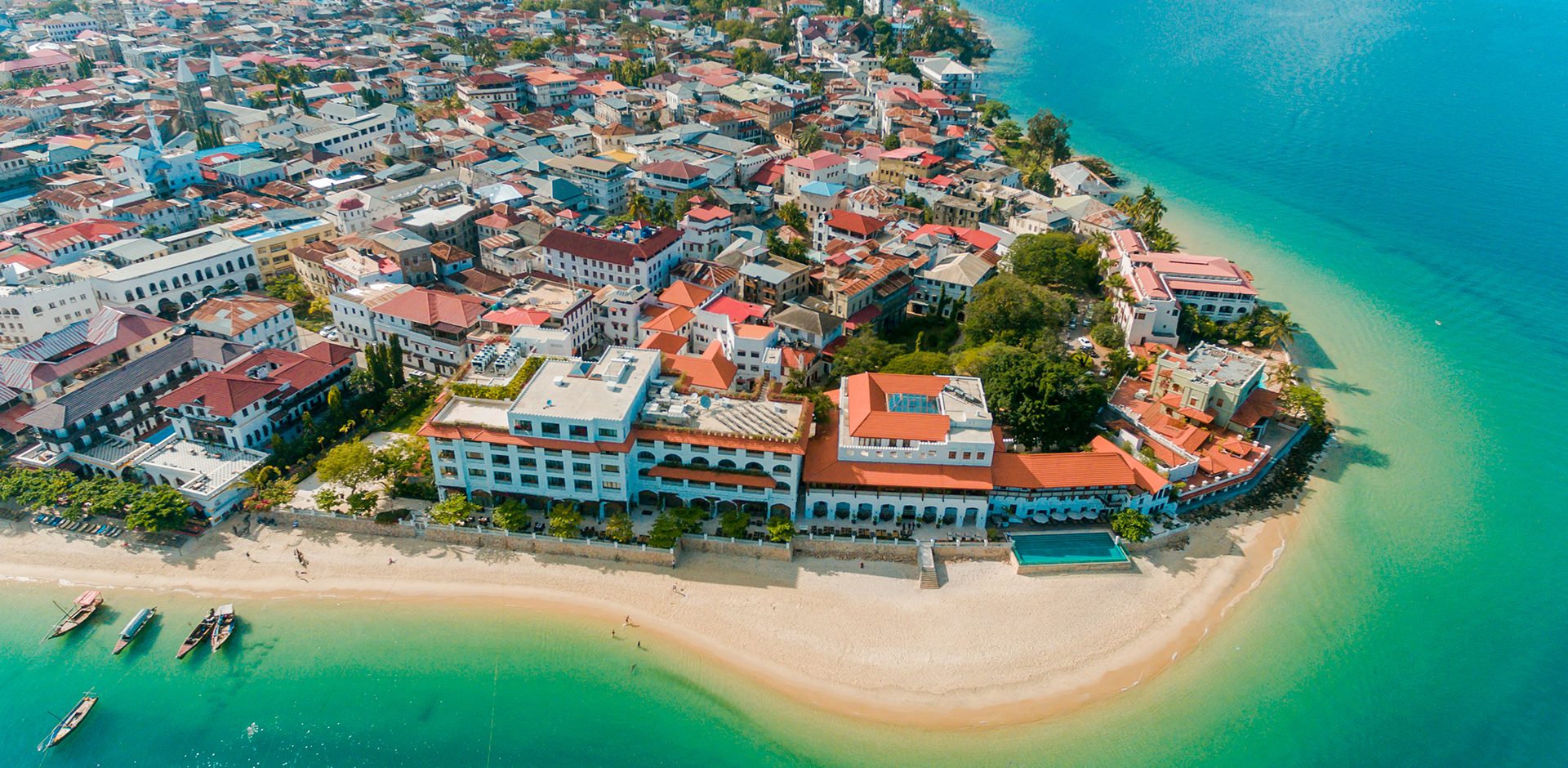
Stone Town is a UNESCO World Heritage Site and deserves a night, not a rushed afternoon. Carved doors, the old Slave Market memorial and cathedral, the Old Fort, the House of Wonders and the Forodhani night market are worth a full guided walk with someone who can explain the Omani, Indian, Persian and Swahili layers.
Elsewhere: Kizimkazi in the south for dolphin excursions and Menai Bay, Matemwe in the north-east for Mnemba Atoll diving and snorkelling, and Jozani Forest inland for the endemic red colobus monkey, which exists nowhere else on earth.
When to go, and what to expect
June to October is dry, breezy and reliable, and it lines up perfectly with a dry-season safari. December to February is hot and calm, ideal for diving and snorkelling with excellent visibility at Mnemba.
The long rains run from late March through May, when many east-coast hotels close and rates drop sharply. November brings short rains that rarely spoil a day. Ramadan affects opening hours in Stone Town and village restaurants, and we will tell you if your dates fall within it.
Zanzibar is a conservative Muslim society. Beachwear belongs on the beach; shoulders and knees covered in Stone Town and villages is both respectful and appreciated. Alcohol is served at hotels and tourist restaurants.
Combining Zanzibar with a safari
The natural structure is safari first, beach second. Flights connect Arusha and the Serengeti airstrips directly to Zanzibar, so you can leave a morning game drive and be swimming by mid-afternoon without returning to the mainland.
Four nights is our recommended minimum on the island. Three feels rushed once you account for arrival and departure, and five to seven allows a Stone Town night plus a proper stretch on the coast.
Our five-day Zanzibar Experience and six-day Serengeti and Zanzibar Honeymoon itineraries are both built on this logic, and either can be extended or rebased on a different coast once we understand what kind of beach you want.
Questions we are asked about this
More from the journal




Let us build this into your journey.
Tell us your dates and what matters most to you. A Karis journey designer in Arusha will reply with a tailored route, camps and full pricing.